
There’s a quiet revolution unfolding in digital worlds, and few battlegrounds are as fascinating as the intersection between CS2’s skin economy and the broader wave of NFTs that have swept through crypto culture. To the uninitiated, both CS2 weapon cosmetics and blockchain-minted tokens feel like digital treasures—but strip away the surface glimmer, and a deeper question emerges: Which of these assets truly defines the future of digital ownership? With players flocking to compare cs2 skins with NFT collectibles in search of real value, this debate isn’t just academic—it’s shaping how millions of gamers perceive virtual property in 2026 and beyond.
The Essence of Skins and Tokens
Before we pick sides, let’s understand what we’re dealing with. CS2 skins are cosmetic upgrades—unique patterns, finishes, and moments of style that drape your weapons in personality without altering gameplay. These skins have spawned a vibrant economy where rare patterns and coveted series can command thousands of dollars in market value, traded across platforms that track pricing and demand like financial tickers.
NFTs, on the other hand, are blockchain-based tokens that represent unique digital items via decentralized ledgers. Each token holds proof of ownership etched into code, immutable and independent of any single corporate server. What distinguishes an NFT is not just its visual appeal but its existence as part of a public registry, verifiable on chains like Ethereum or Solana.
This fundamental technical difference sets the stage for divergent futures—even as both assets ride the same waves of scarcity, status, and speculation.
Shared Traits: Scarcity, Status, & Speculation
Though technically distinct, CS2 skins and NFTs share cultural DNA:
- Rarity Drives Value: Both ecosystems thrive on limited supply. Whether it’s a factory-new case-hardened fade or a 1/1 NFT drop, scarcity ignites interest and competition.
- Community Status Symbols: Owning that rare asset—be it a prized CS2 knife or an exclusive NFT avatar—carries social cachet in its respective community.
- Marketplace Dynamics: Both markets fluctuate based on demand, hype cycles, and cultural trends, creating speculative activity that keeps traders watching charts as closely as battles.
The similarities explain why many in gaming circles casually lump CS2 skins and NFTs together—even though, under the hood, they function very differently.
Centralized Skins vs Decentralized Tokens
This is where the paths truly diverge:
- Ownership Structure
- CS2 Skins: Tied to the Steam ecosystem; Valve ultimately controls access and transfer rules. If your account is suspended, those skins may vanish with it.
- NFTs: Exist independently on public blockchains. Ownership is yours as long as your private keys remain secure.
- CS2 Skins: Tied to the Steam ecosystem; Valve ultimately controls access and transfer rules. If your account is suspended, those skins may vanish with it.
- Transferability Beyond Platforms
- Skins: Can be traded within approved marketplaces and third-party services, but can’t escape the boundaries set by the game’s infrastructure.
- NFTs: Freely transferable across blockchains and supported markets, empowering users to move assets across apps and ecosystems.
- Skins: Can be traded within approved marketplaces and third-party services, but can’t escape the boundaries set by the game’s infrastructure.
- Transparency and Provenance
- Skins: Transaction histories are visible only to marketplace participants; verification relies on centralized logs.
- NFTs: Every transaction is permanently logged on the blockchain, offering unmatched transparency.
- Skins: Transaction histories are visible only to marketplace participants; verification relies on centralized logs.
One might say skins are a powerful, culturally ingrained form of digital asset, while NFTs are engineered around true, portable ownership—an abstraction that holds immense promise in cross-platform economies.
Where the Markets Stand Today
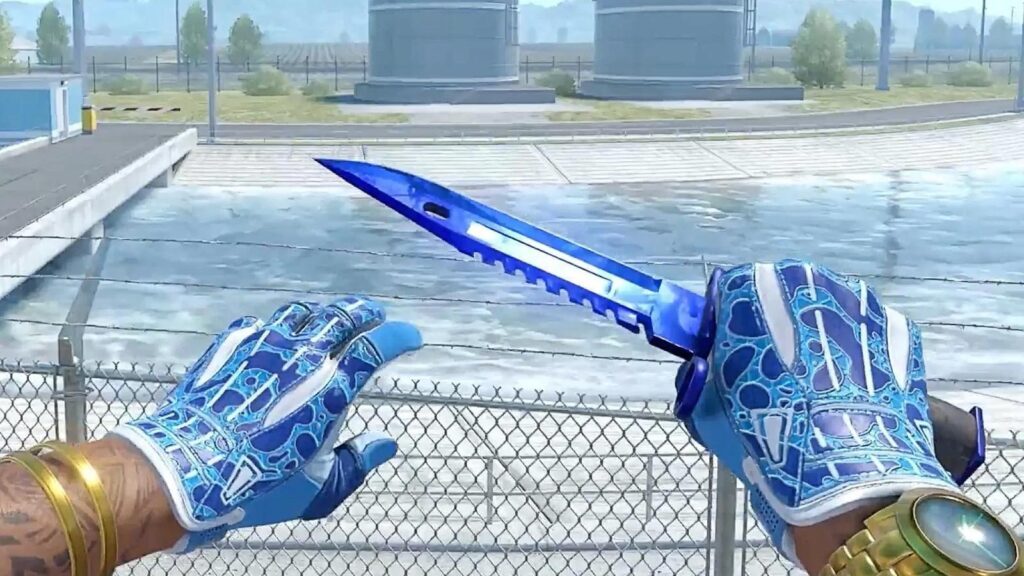
While CS2 skins aren’t built on blockchain tech, their impact rivals some NFT markets in sheer scale and engagement. In fact, analysts have estimated that the skin economy has ballooned into the multi-billion-dollar category, with liquidity and trading dynamics that mirror other digital asset classes.
Platforms such as CSmarketCap help players and traders track price movements, rarity trends, and market sentiment across thousands of in-game items, bringing a level of data-driven insight to skin collectors that few NFT platforms offered in their early years. This convergence of gaming culture and data analytics empowers participants to make more informed decisions about their digital inventories.
Yet, the skin market remains boxed in by centralized logic—rules defined by Valve’s ecosystem, and an asset’s fate determined by updates, patches, and platform policies. NFTs, in contrast, remain untethered by central control but subject to their own volatility and regulatory ambiguities.
Which Wins—Now and Tomorrow?
So, which digital asset wins? In 2026, the answer isn’t binary. CS2 skins are winning today in terms of cultural stickiness: millions of gamers engage with them daily, and they carry aesthetic and financial value within a vivid, interconnected community. Meanwhile, NFTs are winning on principle—their decentralized ownership model aligns with the broader digital-ownership paradigm that many believe will define the next generation of virtual assets.
Both have their strengths: skins deliver immediate utility and social identity in the world’s most played competitive shooter; NFTs offer true ownership and cross-platform freedom. As technology evolves, we may even see hybrid systems that fuse these strengths—blockchain verifiable ownership married with immersive, gameplay-centric assets.