



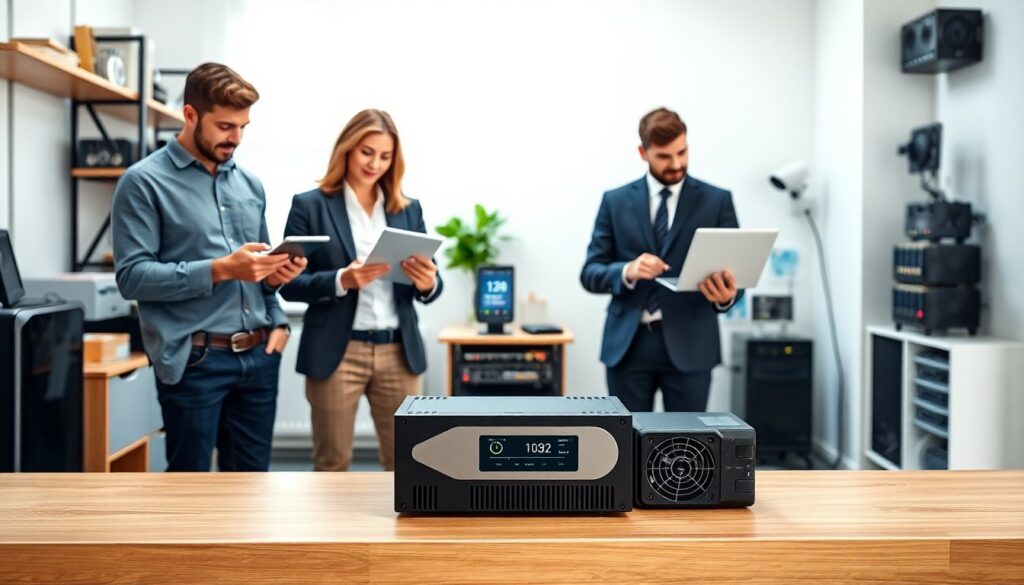
Stay charged siliconinsider power supplies deliver reliable backup power for homes and small businesses. The guide explains model choices, installation, and safe use. It helps readers pick a power supply that fits devices, budget, and space. The content uses clear steps and plain terms. The reader gains actionable facts and practical tips without extra jargon.
Key Takeaways
- SiliconInsider power supplies ensure reliable backup power for homes and small businesses, protecting essential devices during outages.
- Choosing the right SiliconInsider model involves calculating total device wattage plus a 20% buffer and selecting a unit that meets or exceeds this load.
- High efficiency in SiliconInsider power supplies reduces heat and extends battery life, saving money and improving system reliability.
- Safety features like overcurrent and thermal protections prevent damage, making SiliconInsider power supplies a secure choice for continuous use.
- Proper installation, regular maintenance, and firmware updates are vital to maximizing the performance and longevity of your SiliconInsider power supply.
- Balancing uptime, safety, and cost helps buyers pick the best SiliconInsider power supply tier—entry, mid, or pro—for their specific needs.
Why SiliconInsider Power Supplies Matter For Homes And Small Businesses
SiliconInsider power supplies matter because they keep essential devices running during outages. Homeowners expect lights, routers, and security systems to stay online. Small businesses expect point-of-sale systems, routers, and surveillance to stay operational. A quality power supply reduces downtime and prevents data loss. The target buyer values long runtime, predictable behavior, and safety features.
SiliconInsider power supplies offer compact designs and high efficiency. They use modern semiconductor switches that lower heat and reduce waste. The lower waste yields longer battery life for the same battery size. The result saves money over time and reduces thermal strain in tight racks.
Gamers and streamers also rely on steady power for consistent performance. Competitive teams reference an esports equipment guide that lists power as core gear. The guide shows why a bad power source can affect peripherals, consoles, and PCs. For living spaces that double as small studios, SiliconInsider power supplies provide stable output and surge protection.
Buyers should weigh three outcomes: uptime, safety, and cost. SiliconInsider power supplies aim to balance those outcomes for typical home and small business setups. The company positions its lines to serve common device mixes and limited budgets.
How To Choose The Right SiliconInsider Model For Your Needs
The buyer should match load, runtime goal, and physical constraints. First, the buyer lists devices and their watt draws. Second, the buyer totals the wattage and adds a 20% buffer. Third, the buyer selects a model whose continuous output exceeds that buffered total.
SiliconInsider power supplies come in entry, mid, and pro tiers. Entry units work for basic routers, modems, and a single desktop. Mid units support compact labs and small offices. Pro units support studio rigs, multiple servers, or inventory systems.
The buyer also checks battery chemistry and replaceability. Sealed lead-acid batteries cost less but weigh more. Lithium options cost more but offer higher energy density and longer cycle life. The buyer who wants lower weight and longer lifespan often chooses lithium variants even though higher upfront cost.
The buyer checks certification and warranty terms. Look for appliance safety marks and clear warranty windows. The vendor should list input voltage ranges and how the unit handles prolonged overloads.
The buyer balances size and noise. Some units use fans that vary speed under load. The buyer who places the unit in living areas should favor quieter models with larger heat sinks and smart fan curves.
Key Specs Explained: Wattage, Efficiency, Rails, And Protections
Wattage lists how much continuous power the unit can supply. The buyer must pick a unit with continuous wattage above the buffered total load. Peak wattage covers brief surges when devices start. The buyer should verify enough peak headroom for motor-driven gear and high-draw GPUs.
Efficiency measures energy conversion from battery to output. Higher efficiency means less energy lost to heat and longer runtime for the same battery. An efficient unit also reduces internal temperatures, which extends component life.
Rails describe output channels. Single-rail designs deliver a single high-current bus. Multi-rail designs split current across separate protections. The buyer who runs high-current devices benefits from single-rail units for simplicity. The buyer who runs many small loads may prefer multi-rail designs for fail-safe isolation.
Protections cover overcurrent, overvoltage, short-circuit, and thermal shutdown. These protections prevent device damage and fire risk. The buyer should confirm that protection trip points and response times match expected use. SiliconInsider power supplies list these specs in product sheets.
Installation, Maintenance, And Safe Usage Tips
The installer places the unit on a flat, ventilated surface. The installer keeps the unit away from direct heat and liquids. The installer ensures at least several inches of clear space around vents. The installer attaches batteries according to polarity markings and secures terminals to prevent loosening.
The electrician verifies building wiring and outlet grounding before connection. The electrician uses a surge-protected input and dedicated circuit when local code requires it. The installer follows local codes for battery storage and disposal.
Regular maintenance extends service life. The user tests the unit under load every three months. The user inspects battery terminals for corrosion and tightness. The user replaces batteries according to the manufacturer cycle rating or when the runtime falls below the intended threshold.
Users update firmware when SiliconInsider publishes firmware patches. Firmware updates can improve charging algorithms and fix safety bugs. The user follows official update instructions and avoids interrupted updates.
Safety rules minimize fire and shock risk. The user avoids stacking heavy objects on the unit. The user never stores flammable materials near batteries. In the case of battery swelling or odor, the user disconnects the unit and moves it outdoors. The user calls a certified technician for battery replacement.
The buyer plans for disposal. The unit contains batteries and electronic components that require proper recycling. The user contacts local waste handlers or battery recycling centers for accepted drop-off points.
For mission-critical setups, the buyer pairs the power supply with monitoring tools. The user configures alerts for low battery and device disconnects. The user logs runtime during power tests to validate the expected backup window. These steps ensure the SiliconInsider power supply delivers the expected protection and uptime.

