
Starting a fitness journey can feel exciting and confusing at the same time. Many beginners want to improve their health but are not sure where to begin or how to measure progress. This is where fitness trackers have found their place in everyday life. These small devices promise to turn daily movement into clear information that anyone can understand. For people who are new to exercise, the right fitness tracker can become a gentle guide that encourages better habits without adding pressure or stress.
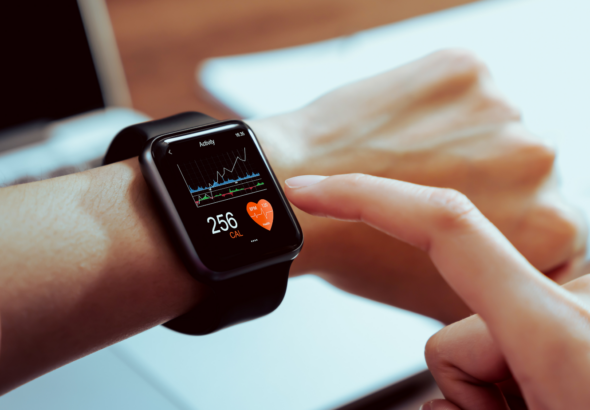
Fitness trackers are popular because they make invisible effort visible. Steps, heart rate, sleep, and activity time become numbers that tell a simple story about daily choices. For beginners, this feedback can be motivating. Seeing progress in small increments helps build confidence and consistency. Choosing the best tracker is not about finding the most advanced model. It is about finding a device that feels comfortable, easy to use, and helpful from the very first day.
What Beginners Should Look For
When someone is new to fitness tracking, simplicity matters more than complexity. A beginner does not need a device filled with features that are hard to understand or difficult to manage. The best trackers for beginners focus on the basics and present them clearly. A clean screen, readable text, and straightforward menus make a big difference in daily use.
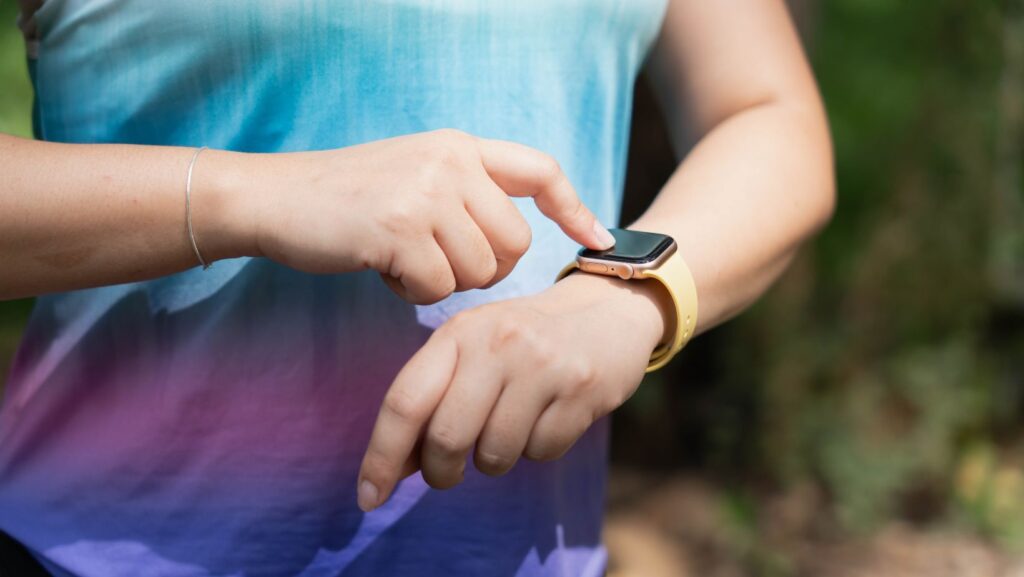
Comfort is another important factor. A tracker that feels heavy or awkward will often be left on a table instead of worn throughout the day. Lightweight designs with soft straps encourage regular use. Since beginners are still forming habits, wearing the tracker consistently is more important than owning a model with advanced tools.
Battery life also plays a quiet but important role. A tracker that needs constant charging can interrupt routines and reduce motivation. Beginners benefit from devices that last several days on a single charge. This allows them to focus on movement and sleep rather than power cables and reminders. Accuracy and reliability are essential. Simple step counting, heart rate monitoring, and basic sleep tracking should work well without complicated setup. When the data feels trustworthy, beginners are more likely to pay attention and make small changes based on what they see.
How Fitness Trackers Support New Habits
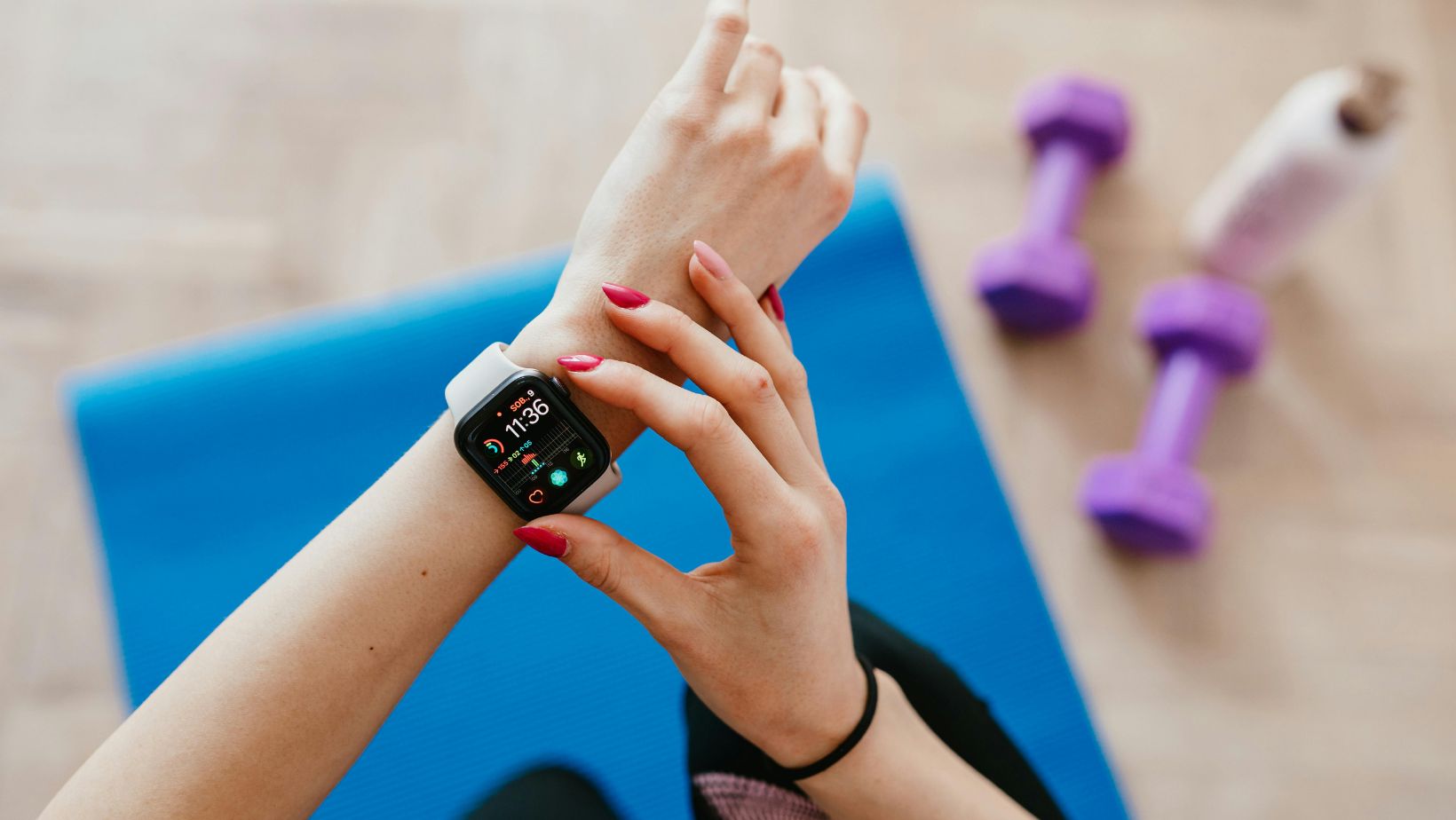
One of the greatest strengths of fitness trackers is their ability to support habit building. For beginners, the hardest part of getting fit is often consistency. A tracker provides gentle reminders and small celebrations that make daily movement feel rewarding. A vibration after reaching a goal or a message that praises effort can turn an ordinary walk into a moment of pride.
Trackers also help beginners understand their own patterns. Many people are surprised to learn how little they move during a normal day or how restless their sleep can be. This awareness is not meant to create guilt. Instead, it creates opportunity. A short walk after dinner or an earlier bedtime becomes an achievable step toward better health. As health apps have expanded, many now sit within wider digital platforms that include advertising or partner content. For example, someone browsing a fitness app might occasionally see references to unrelated offers such as sportsbook promotions.
Another helpful feature is goal setting. Beginners benefit from goals that feel realistic and flexible. A good fitness tracker allows users to adjust targets based on their comfort level. Progress becomes personal rather than competitive. This makes the journey feel supportive instead of overwhelming.
Choosing a Tracker That Fits Your Lifestyle
Every beginner brings a different lifestyle to their fitness journey. Some people prefer long walks, while others enjoy short workouts at home. The best fitness tracker is one that fits naturally into daily routines. Water resistance can matter for those who enjoy swimming or shower with their device on. A bright display can help those who check stats outdoors in sunlight.
Smartphone compatibility is another key point. Most trackers work alongside an app that shows detailed information. Beginners should look for apps that are easy to navigate and not crowded with complex charts. Clear summaries and gentle suggestions work better than technical reports.
Building Confidence Through Simple Technology
Fitness trackers are not magic devices, but they can be powerful companions for beginners. They turn effort into information and information into motivation. Over time, they help people trust their own ability to change and improve.
The best fitness trackers for beginners share a few quiet qualities. They are easy to wear, easy to understand, and easy to live with. They do not overwhelm users with data. Instead, they highlight progress and invite reflection. This gentle approach is often what helps beginners stay committed when motivation fades.
For anyone starting a fitness journey, a tracker can become more than a gadget. It can become a daily reminder that small steps matter and that progress is built through patience and care. In that sense, the best fitness tracker is not the one with the most features, but the one that helps beginners believe in their own ability to move forward, one day at a time.

