
vibrant celebrations animated unique lively siliconinsider set the tone for a new event style. The company blends motion design, sound, and guest interaction. The approach makes each gathering feel active, bright, and personal. Event teams follow clear steps to plan the look, pace, and tech. Planners measure success by guest reaction, share rate, and repeat bookings.
Key Takeaways
- SiliconInsider’s vibrant celebrations use animated visuals, sound, and interactive guest triggers to create lively, unique event experiences that actively engage attendees.
- Event success is measured by guest reaction, social media shares, and repeat bookings, highlighting the value of the company’s animated celebrations.
- Planning involves defining an emotional goal, designing short animated loops, and coordinating pacing and transitions for a seamless, energized flow.
- The team employs scalable technology and fallback plans to maintain polished yet surprising animations across different event sizes and settings.
- Interactive elements like touch panels and QR codes boost guest involvement, with data collected to refine future animated celebrations further.
- SiliconInsider’s adaptive approach extends to hybrid events, syncing animations for remote and on-site guests to ensure a consistent, engaging experience.
What Makes SiliconInsider’s Animated Celebrations So Unique
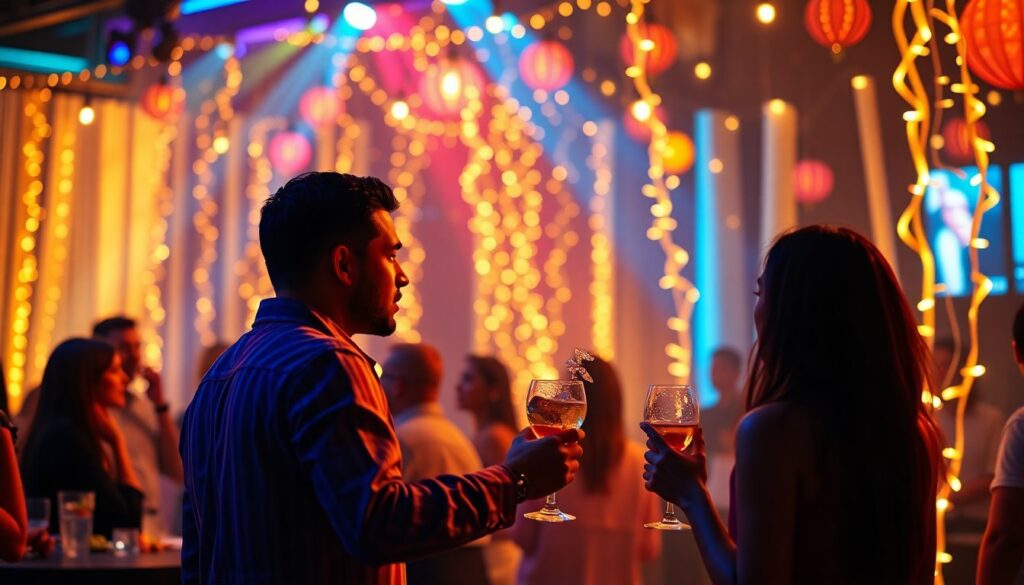
SiliconInsider mixes animation, live content, and physical decor to craft a vivid event. The team creates looping visual themes that match the event purpose. Designers pick color palettes, motion speed, and typography to guide guest focus. Producers add interactive moments where guests trigger short animated scenes with touchpoints. The company pairs audio cues with animation to heighten emotional peaks. Staff stage transitions so guests feel momentum instead of pauses.
SiliconInsider tracks three clear metrics for success. The team logs how long guests view an animated wall. They count shares of short clips on social platforms. They survey attendees about memorability and energy. These measurements inform future creative choices. The brand keeps the aesthetic consistent across entry, main space, and exit to reinforce memory.
SiliconInsider trains its crew to respond when tech fails. Technicians use fallback visuals and live hosts to keep the mood. The team rehearses timing with performers and AV staff to avoid dead air. This operational discipline separates SiliconInsider from planners who rely on single-source displays. The result feels planned but lively, polished but surprising.
SiliconInsider’s style attracts brands and hosts who want a strong visual identity. The company adapts its work to venues of different sizes. Pieces scale from a single animated kiosk at a boutique party to a stadium-sized projection for a product reveal. The team documents each install so future events improve in speed and quality.
Designing Lively, Animated Experiences: Practical Tips For Event Planners
Planners start by defining a single emotional goal for the event. They name that goal and use it to guide color, tempo, and interaction. Teams map the guest journey step by step. They place animated elements where energy needs a lift: entrances, food areas, and photo points. They limit each animation loop to a short duration so guests see variety.
Designers create a visual library of assets before build day. They prepare logo variants, headline treatments, and modular motion clips. They format assets for multiple screens and aspect ratios. Planners label each file clearly so crew can swap items quickly. The team sets a file-naming rule and shares it with vendors.
Planners set simple rules for content updates on event day. A single person owns timing and content triggers. That person follows a written run sheet and announces changes to the crew. The owner keeps backups of critical files on a local drive and cloud storage. The team runs a quick systems test two hours before guest arrival.
Planners budget time for rehearsal with performers and presenters. They run the animations at the intended volume and brightness. The crew notes spots that need pacing changes and adjusts clip lengths. The rehearsal gives the team a chance to refine transitions and cue points. This step reduces last-minute fixes and improves guest flow.
Tools, Tech, And Animation Techniques To Execute The Vision
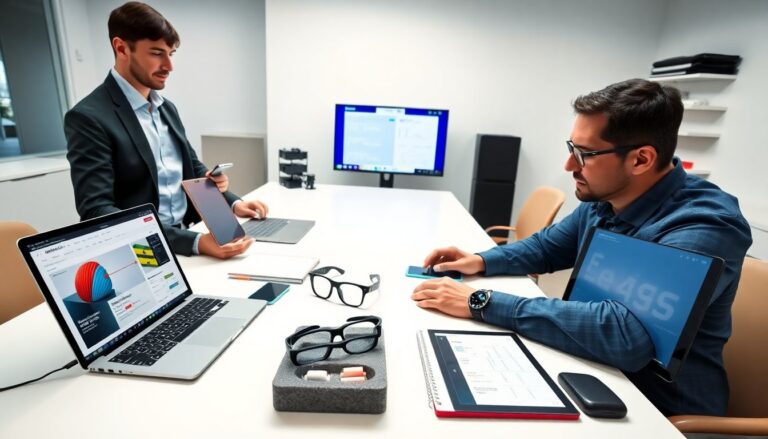
Teams pick tools based on scale and control needs. For small events, planners use a media server app and high-quality LED displays. For larger events, they rent hardware from AV vendors and use dedicated playback servers. Motion designers build animations in standard tools and export to universal codecs. Teams optimize files for playback to avoid dropped frames.
Designers use short animated loops that repeat without obvious jumps. They create variations of a loop to reduce repetition for long events. Motion artists add subtle particle motion and layered parallax to give depth on flat screens. They avoid dense motion that distracts from performers and guests.
Production teams add simple interactive triggers for guest control. They use touch panels, QR codes, or wristbands to let guests select a clip or change a filter. The system records interaction data so planners can report engagement metrics. That data helps the team refine content for the next event.
Planners follow safety and accessibility rules. They test strobe effects and offer low-motion alternatives for sensitive guests. They position displays to avoid blocking exits. They label control points and keep trained staff nearby to turn off effects quickly if needed. These practical choices keep the experience lively and safe.
Bringing It To Life: Case Studies And Creative Ideas For Sports, Gaming, And Lifestyle Events
For a sports launch, SiliconInsider pairs animated player stats with real-time social highlights. They show short, animated replays that loop with celebratory audio. Fans react to quick visuals and share clips. The format boosts event buzz and keeps focus on key moments.
For a gaming event, the team stages an animated leaderboard that updates live. They add animated emotes when a player advances. The visuals look like game UI, which keeps the theme consistent. Organizers note longer watch times when animations match the game style. This alignment increases engagement and replay value. Sports and gaming events also benefit from the documented rise of esports as mainstream competition, which supports larger live audiences and media attention, according to coverage on the topic of esports rise.
For a lifestyle brand launch, the company designs short animated vignettes that play above product tables. The team times each vignette to a product demo. Guests see the sequence and then touch a display to request a demo. The motion draws attention without long speeches. Brands report higher demo conversions when visuals preview the product story.
SiliconInsider adapts ideas for hybrid events. The team streams animated overlays for remote viewers and syncs them with on-site cues. Remote guests see the same animated branding and feel included. The company measures remote engagement separately and adjusts future content length to match online attention spans.
Planners copy simple, repeatable elements from these case studies. They use short loops, clear branding, and interactive triggers. They test each element with real users before the event. This process keeps production costs reasonable and outcomes predictable.

