



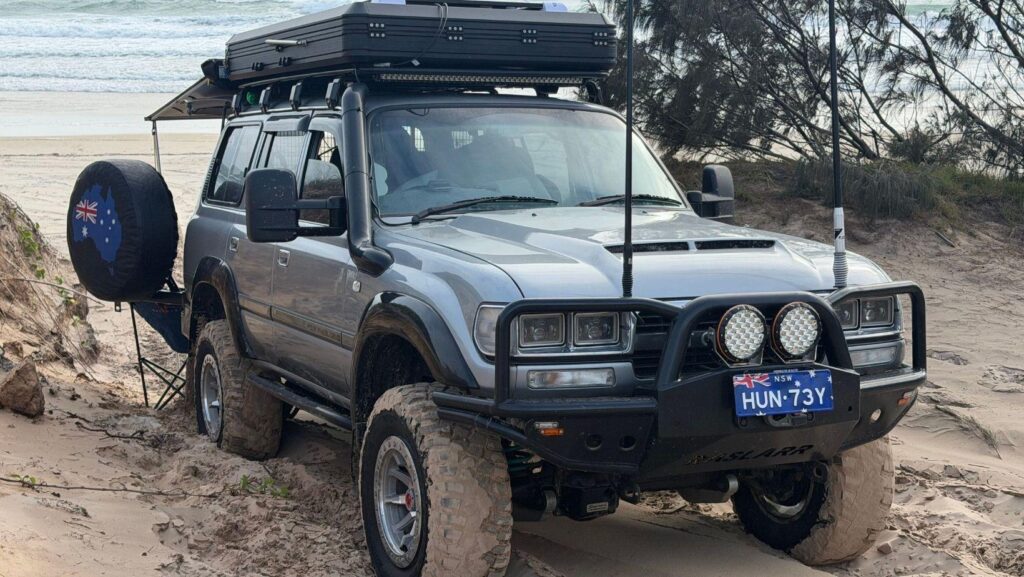
Something has shifted in how Australians use their caravans and campers. A powered site at a holiday park was once the default starting point for a trip, but for many travellers it is now just one option. Self-contained rigs that can generate power, carry more water and stay connected beyond mobile range are making remote bush camps, station stays and national park sites far more practical for longer stops.
That autonomy is not just about sleeping somewhere quieter. It changes the way people plan, work, relax and manage everyday admin while travelling. With reliable power and satellite connectivity, travellers can check road conditions, manage banking, stream sport, use booking platforms and compare online services from places that once meant being fully offline. For adults who use digital entertainment platforms, such as regulated online casinos, reliable connectivity while travelling makes it easier to research how different platforms handle payments before signing up. That research often focuses on withdrawal speed, because fast access to approved winnings depends on more than the name of a payment method. Users also need to understand verification steps, processing times, banking limits and whether a platform clearly explains its payout rules. That is why guides to instant withdrawal casinos can be useful, especially for comparing sites that make withdrawal conditions, payment options and account checks clear before users decide where to play.
Self-contained rigs now go further
The clearest sign of the shift is in the specifications of new caravans and off-road campers. Older vans often relied on modest battery capacity, limited water storage and caravan park facilities. Newer off-grid models are increasingly built around dual fresh water tanks, grey water containment, lithium batteries and solar systems designed for multi-day stays without shore power.
For travellers, that means more flexibility. A couple may be able to sit beside a remote gorge for several nights instead of moving on after a day. A family can stay longer at a low-service campground without worrying as much about lighting, refrigeration or device charging. Proper grey water storage also matters because many council and national park sites require visitors to be fully self-contained before they can stay.
Off-road construction has followed the same direction. Higher clearance, stronger suspension, dust sealing and better weight distribution have become selling points because buyers are not only looking for comfort. They want rigs that can handle corrugated roads, beach access tracks and long distances between towns.
Power and water systems do the heavy lifting
A genuine off-grid setup is not defined by one solar panel and a battery under the bed. It depends on whether the system can support the way people actually travel. Fridges, lights, pumps, induction cooking, laptops, cameras, fans and inverters can all draw power at different times, and that load adds up quickly.
A useful battery sizing guide from Caravan RV Camping explains how caravan power needs depend on the appliances being used, the number of days away from mains power and how much solar input is available. That is why many serious touring setups now favour lithium batteries, higher solar capacity and battery management systems that allow travellers to monitor usage closely.
Water planning is just as important. Extra fresh water can extend a stay, but only if travellers also account for drinking, cooking, washing and cleaning. Grey water tanks are not simply a convenience; they can be the difference between being allowed to stay at a site or needing to move on. The best off-grid rigs treat water, power and storage as one connected system rather than separate upgrades.
Connectivity is becoming part of the rig
For years, remote travel meant accepting that phone reception would disappear. That is still true in many areas, but satellite connectivity is changing expectations. Travellers are now building Starlink-style setups, signal boosters and satellite messaging devices into their touring plans in the same way they think about solar panels or recovery gear.
For campers and 4WD travellers, this Outcamp explainer outlines how satellite-to-mobile technology is developing in Australia and why it matters for people travelling beyond reliable mobile coverage. The practical benefits are obvious: weather alerts, fire warnings, road closures and emergency communication become easier to manage when a trip moves away from populated areas.
Connectivity also supports a different style of travel. Remote workers can stay longer in regional areas. Families can keep in touch while touring. Travellers can research fuel stops, campsite rules and track conditions before committing to the next leg of a route. The result is not less adventure, but better-informed adventure.
Better rigs still need better planning
More capable hardware does not remove the need for careful preparation. Remote Australia still demands fuel planning, route research, seasonal awareness and respect for local restrictions. A caravan may be able to stay off-grid for a week, but that does not help if the road in is closed, the weather turns, or the next water refill point is further away than expected.
Demand is also increasing. Recent reporting based on Tourism Research Australia data said Australians took 15.2 million domestic caravan and camping trips in 2024, with spending reaching about A$14 billion. That level of interest puts pressure on popular free camps, national park sites and coastal stops, especially during school holidays and peak travel seasons.
The rigs have become more capable, but the mindset still matters most. Travellers who understand their water limits, power use, communication options and route conditions will get the best out of modern off-grid setups. The appeal is simple: more freedom, fewer fixed stops and a better chance to experience remote Australia without giving up the practical systems that make longer travel possible.

