



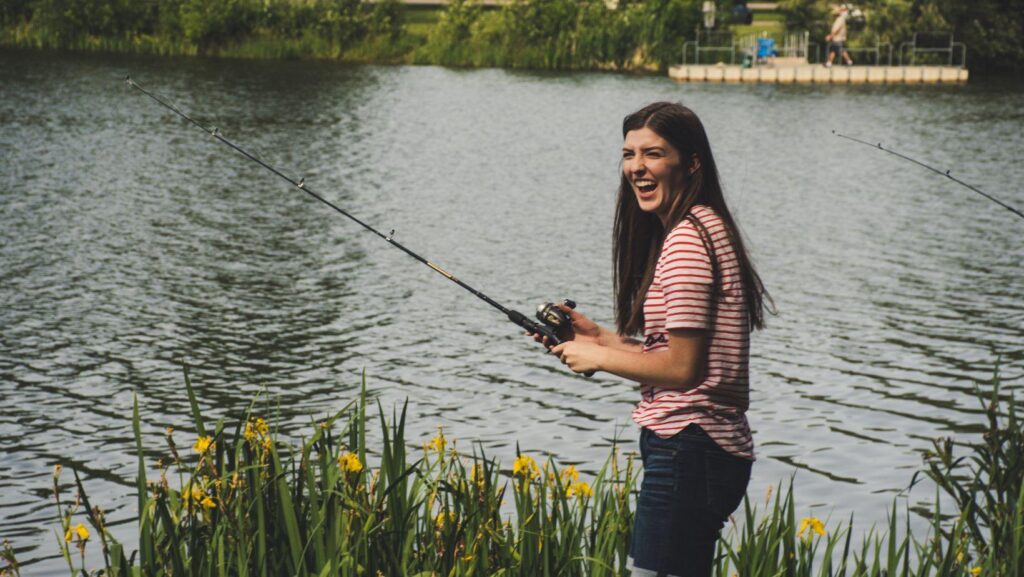
A new hobby does not have to begin with a costly starter kit or a calendar cleared for the next six months. A free Saturday, a few ordinary supplies and a little curiosity are often enough. The point of a first weekend is not to become good at something. It is to notice whether you want to do it again.
Why Affordable Hobbies Are Worth Trying
Low-cost hobbies leave room for experimentation. You can discover that watercolours are not for you without regretting a large purchase, or find that an evening walk with a camera becomes the best part of your week. They can also turn idle time into something memorable while keeping spending under control.
An inexpensive trial works best when it follows a few simple rules:
- use materials you already own before buying specialist equipment;
- choose an activity that fits into one or two hours;
- set a small spending ceiling in advance;
- judge the experience by enjoyment, not by the quality of the result.
This approach removes much of the pressure that comes with learning. A crooked sketch, an uneven loaf or a set of blurry photographs is not a failed project. It is useful evidence about what holds your attention.
Easy Hobbies You Can Start at Home
Home is a good testing ground because there is no travel time and no need to commit to a class. Look around before ordering anything. Old magazines can become collage material, a phone can serve as a camera, and ingredients already in the cupboard may be enough for a new recipe.
Creative Hobbies
Sketching is one of the easiest places to begin: paper and any pen will do. Instead of searching for an impressive subject, draw five objects from one shelf. Other practical choices include journaling, paper folding, visible mending or making a playlist around a specific year, mood or place.
For a relaxed creative session, try this sequence:
- select one small project that can be finished today;
- gather only the materials needed for that project;
- work for 30 minutes without correcting every detail;
- stop, look at the result and write down what you would change next time.
Finishing something modest is usually more satisfying than leaving an ambitious project half done. It also gives you a realistic idea of the time and supplies the hobby would require if you continued.
Digital Hobbies and Online Activities
Many digital activities have a free entry point. Language exchanges, public-domain books, beginner coding exercises, virtual museum collections and photo-editing tutorials can all be explored from a browser. Free access may have limits, so check whether a trial renews automatically or places useful features behind a subscription.
Adults may also encounter an online live casino while looking for interactive entertainment. This is not a predictable-budget hobby: real-money play involves the risk of loss. Avocasino lists live roulette, blackjack, baccarat and poker, and its responsible-gaming page advises users to set deposit and time limits, avoid chasing losses and take breaks. The service is restricted to people aged 18 or above, or the higher lawful age where they live. Anyone who chooses this form of entertainment should first check local law and use only money set aside for leisure.
Hobbies You Can Enjoy Outdoors
Going outside adds variety without requiring an admission ticket. A neighbourhood can feel different when the walk has a purpose, such as finding unusual doorways, identifying trees or photographing one colour in different settings.
Several outdoor ideas need little more than comfortable clothing:
- follow a new walking route and mark interesting places on a map;
- start a seasonal photo diary using a phone;
- sketch a building, tree or street scene from observation;
- learn to recognise a few common birds or plants from reputable guides;
- join a free community clean-up or beginner walking group.
Check the weather, daylight and access rules before setting out. For plant or wildlife identification, compare more than one reliable source and do not touch or eat an unfamiliar species based only on an app result.
How to Choose a Hobby That Fits Your Lifestyle
The right hobby is the one you can realistically return to. Before deciding, consider four limits: available time, comfortable spending, storage space and desired level of social contact. Someone with ten quiet minutes each evening may enjoy journaling; someone who wants company may prefer a local walking group or community choir.
Give each promising activity a one-weekend test. Decide in advance what you will do, what you may spend and when you will stop. Afterwards, ask whether the activity made you curious, calm or eager to improve. If the answer is no, move on without guilt. An affordable experiment has already done its job by helping you choose more wisely.

